

AI Powered Software as a Service (SaaS) ApplicationS
Top 5 Architectural Considerations for AI-Powered Multi-Tenant SaaS Applications
As businesses increasingly adopt AI-driven solutions, the architecture of multi-tenant SaaS (Software as a Service) applications is evolving to integrate AI capabilities. While AI enhances functionality, scalability, and personalization, it also introduces unique challenges that must be addressed at the architectural level. Here, we explore the top five architectural considerations that are crucial for building robust, AI-powered multi-tenant SaaS applications.
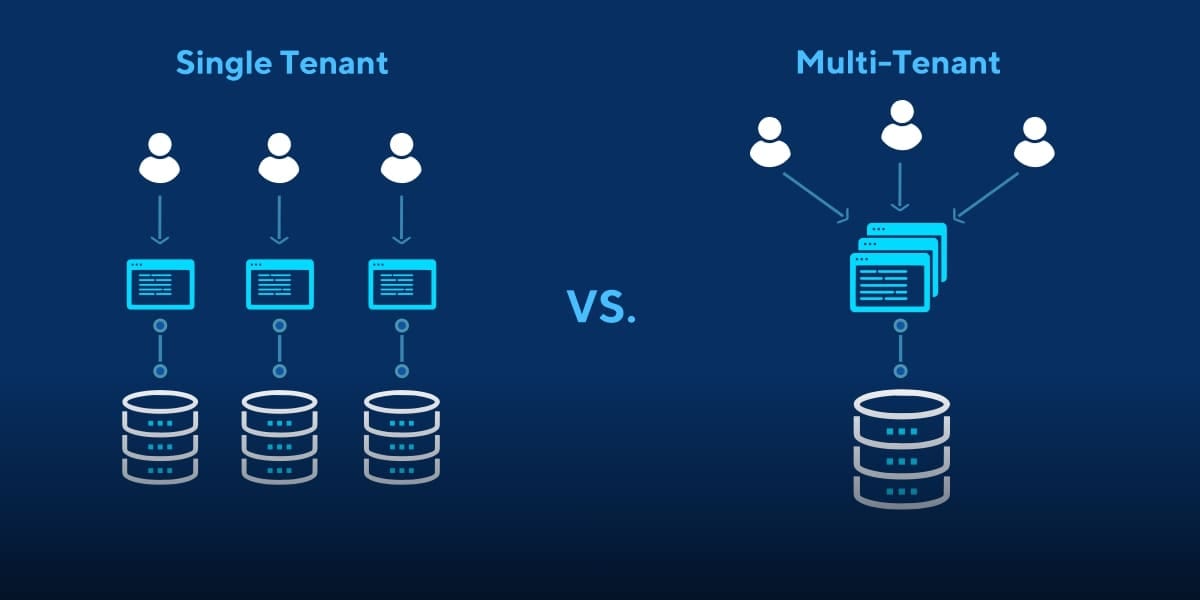
1. Data Isolation and Multi-Tenancy Management
In a multi-tenant environment, where multiple customers (tenants) share the same software instance, ensuring data isolation is paramount. AI models often require access to large datasets to train and deliver accurate predictions, but mixing data across tenants can lead to privacy breaches and compliance issues.
Architectural Solution:
-
- Tenant-Based Data Segregation: Implement a robust data segregation strategy where each tenant’s data is stored separately, either logically or physically. This can be achieved using separate databases or using schema-based isolation within a single database.
-
- Data Encryption: Encrypt data at rest and in transit to add an additional layer of security, ensuring that even if data is inadvertently accessed, it remains unintelligible.
- Role-Based Access Control (RBAC): Implement RBAC to ensure that AI models and algorithms only access data they are authorized to use, further reducing the risk of data leakage.
2. Scalability and Performance Optimization
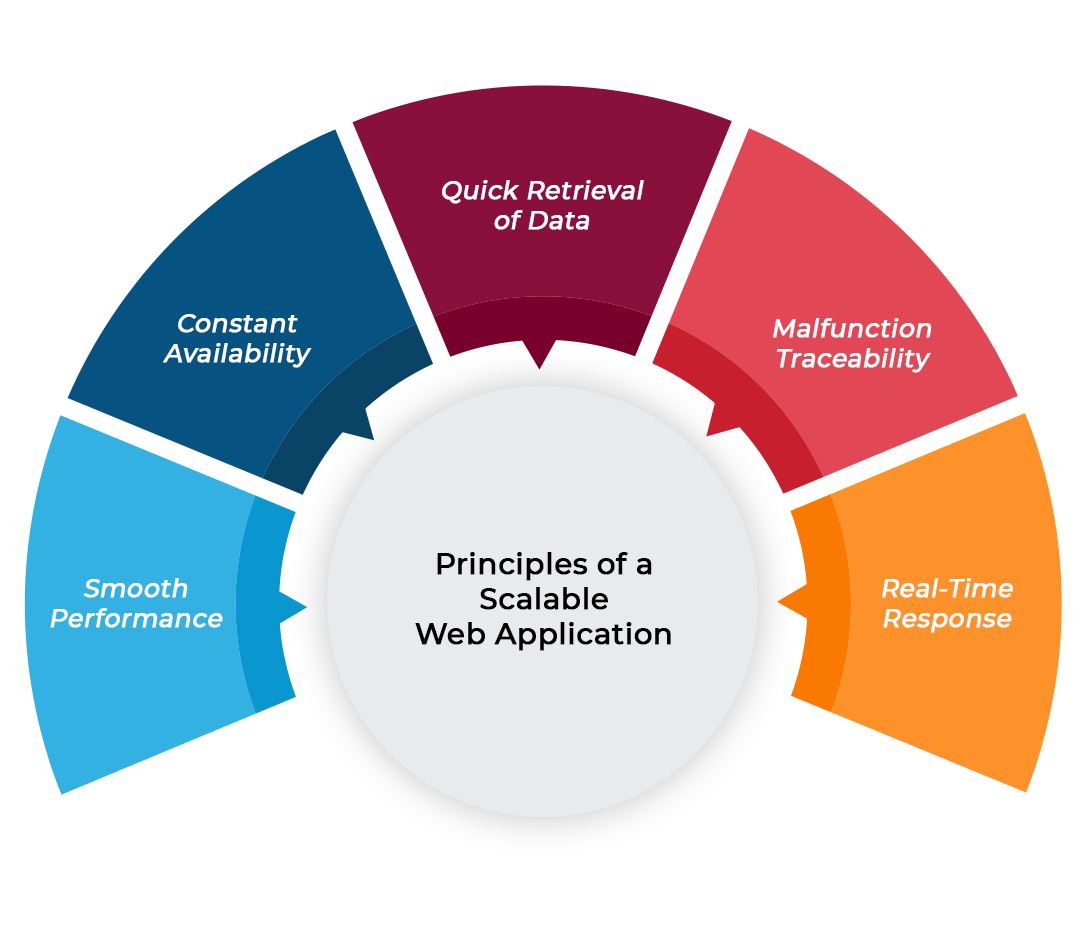
AI workloads can be resource-intensive, demanding significant computational power and storage, especially as the number of tenants increases. Ensuring that your architecture can scale efficiently to handle AI processing without compromising on performance is critical.
Architectural Solution:
-
- Elastic Compute Resources: Utilize cloud-native services like AWS Lambda, Google Cloud Functions, or Azure Functions that allow you to scale compute resources dynamically based on the demand. These services can automatically adjust to accommodate spikes in AI processing needs.
-
- Microservices Architecture: Design your application using microservices to separate AI workloads from core SaaS functionalities. This allows you to scale AI components independently, optimizing resource usage and improving overall performance.
-
- Caching and Load Balancing: Implement caching mechanisms for frequently accessed data and use load balancers to distribute AI processing workloads across multiple servers, ensuring even distribution of resources and minimizing latency.
3. AI Model Lifecycle Management
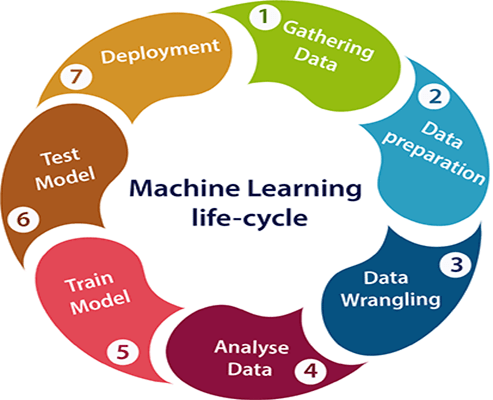
The deployment, monitoring, and updating of AI models in a multi-tenant environment can be complex. Models may need to be customized per tenant or updated as new data becomes available, making it essential to have a robust lifecycle management process in place.
Architectural Solution:
-
- Model Versioning: Implement a model versioning system that tracks different versions of AI models deployed across tenants. This ensures that you can easily roll back to a previous model if an update causes issues.
-
- Continuous Integration/Continuous Deployment (CI/CD) for AI: Integrate CI/CD pipelines specifically for AI models to automate testing, validation, and deployment. This allows for rapid iteration and deployment of models with minimal disruption.
-
- Model Monitoring and Feedback Loops: Set up monitoring tools to track model performance in real-time. Collect feedback from each tenant’s usage to fine-tune models and ensure they continue to perform optimally across different environments.
4. Tenant-Specific Customization and Personalization
AI-powered SaaS applications need to provide personalized experiences for each tenant. This could range from customized dashboards to tailored AI-driven recommendations, making tenant-specific customization a critical architectural consideration.
Architectural Solution:
-
- Configurable AI Pipelines: Design AI pipelines that are configurable on a per-tenant basis. This allows each tenant to customize AI features, such as recommendation engines or predictive analytics, according to their specific needs.
-
- Multi-Tenancy Aware Models: Develop AI models that can adapt to tenant-specific data patterns. This might involve training separate models for each tenant or implementing meta-learning techniques where a base model adapts quickly to new tenant data.
-
- Feature Toggles: Use feature toggles to control AI-driven features across tenants, enabling or disabling features based on tenant preferences without affecting the entire application.
5. Security and Compliance
With AI handling potentially sensitive data, security and compliance become even more critical in a multi-tenant SaaS environment. The architecture must be designed to protect against threats while ensuring compliance with various regulations such as GDPR, HIPAA, or CCPA.
Architectural Solution:
-
- Data Anonymization: Incorporate data anonymization techniques where possible, especially when handling sensitive data, to reduce the risk of exposure while still enabling AI-driven insights.
-
- Audit Logging: Implement detailed audit logs that track access to AI models and data, ensuring that all actions can be traced back to a specific user or process. This is essential for both security monitoring and regulatory compliance.
-
- Compliance-Centric Design: Build your architecture to be compliant with international standards from the ground up. This involves not only data protection measures but also ensuring that AI decision-making processes are transparent and explainable to meet regulatory requirements.

Conclusion
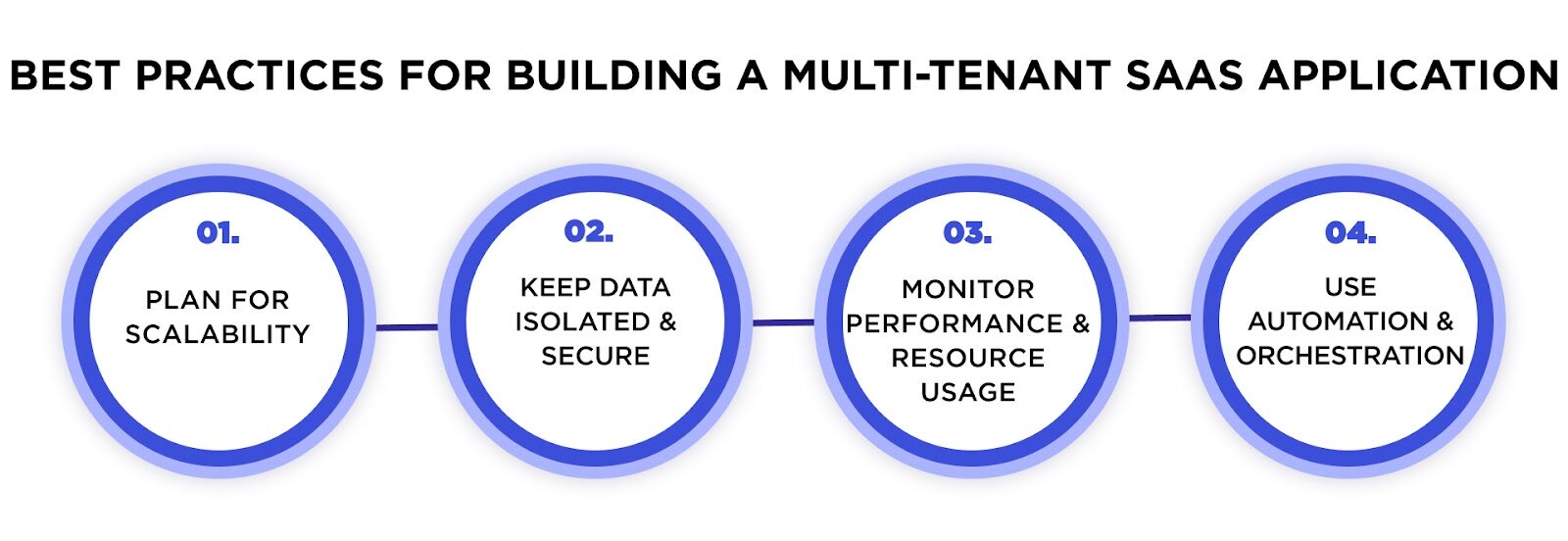
Building AI-powered multi-tenant SaaS applications introduces several architectural challenges that must be addressed to ensure performance, security, and scalability. By focusing on data isolation, scalability, AI lifecycle management, customization, and security, developers can create robust and flexible SaaS solutions that harness the power of AI while meeting the unique needs of each tenant.
Integrating AI into your SaaS architecture is not just about adding AI features but about rethinking the entire architecture to support AI-driven insights and capabilities. With careful planning and execution, AI can significantly enhance the value proposition of SaaS applications, offering a more personalized and intelligent user experience.


Write a Comment